
Keywords: Lipstick breakage, formula, packaging material, filling process, scenario testing
Author: Fang Nan, Senior Lipstick Packaging Specialist at Bao Yan Tang
Hello everyone! I'm very proud to have successfully developed the phenomenal packaging material for the Palace Museum lipstick.
As the group leader of HUFU.CLUB lipstick group, I've been invited to talk about the issue of lipstick breakage.
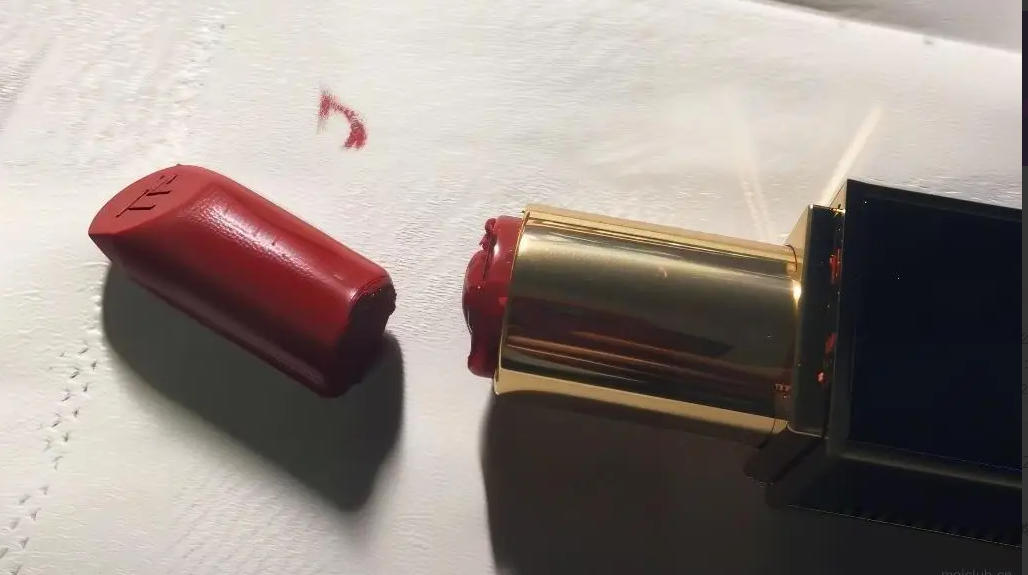
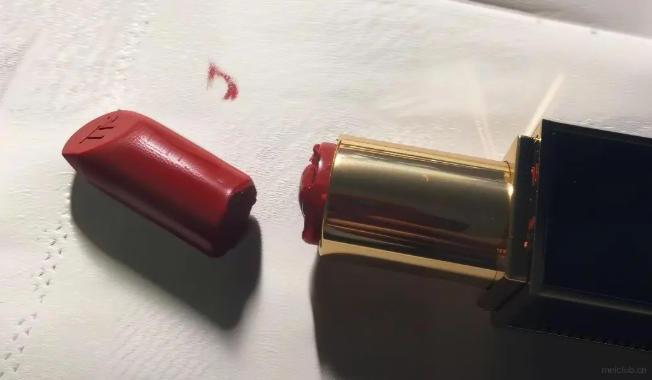
Lipstick breakage is a mini-accident scene in the beauty industry—a newly purchased limited edition from a high-end brand, barely applied twice, breaks in two with a "snap," a heartbreak comparable to a breakup.
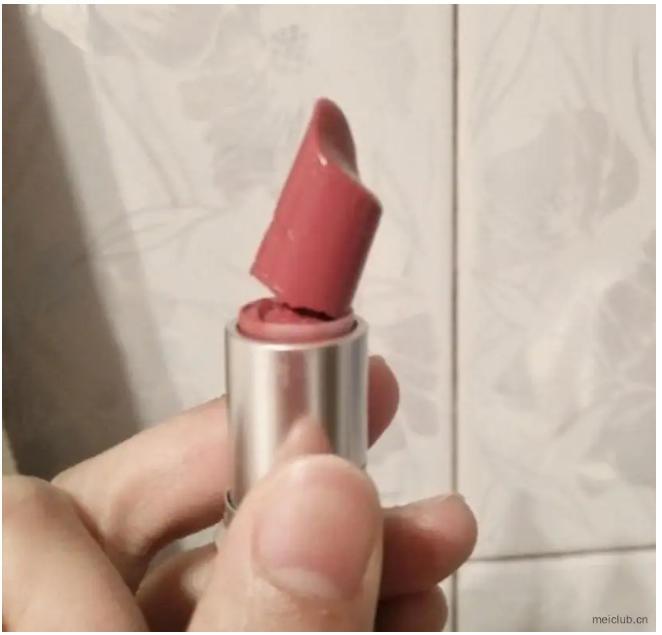
Why is it always lipstick that gets damaged? How to solve it?
This time, we've broken it down into a "6×3" project: 6 major dimensions, 3 key control points for each dimension, thoroughly explaining the causes of breakage and the solutions for preventing it. We recommend saving this; you can directly check off points for new product reviews, factory inspections, and user complaints.
The lipstick itself: Hardness, toughness, and formula ratio are the reasons.
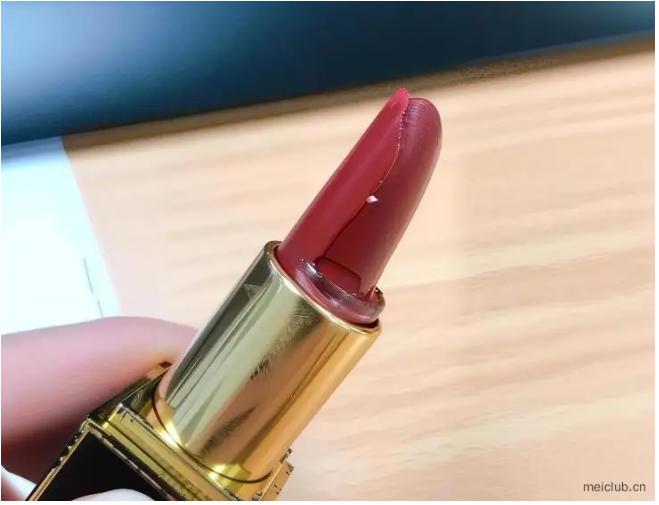
For example, 1. Imbalance in the wax-to-oil ratio; 2. Insufficient encapsulation of pigments; 3. Insufficient release of internal stress in the paste, etc.
A friend who works in formulation suggested that these methods can increase the strength of the paste and reduce breakage, such as adjusting the ratio of crystalline to non-crystalline waxes, the polarity of oils, and allowing for a small amount of elastomer to bend and rebound.
Nowadays, ODM factory technology is quite mature, and most formulations are relatively stable. Issues caused by poor formulation are generally not very common, occurring only in very special new formulation systems.
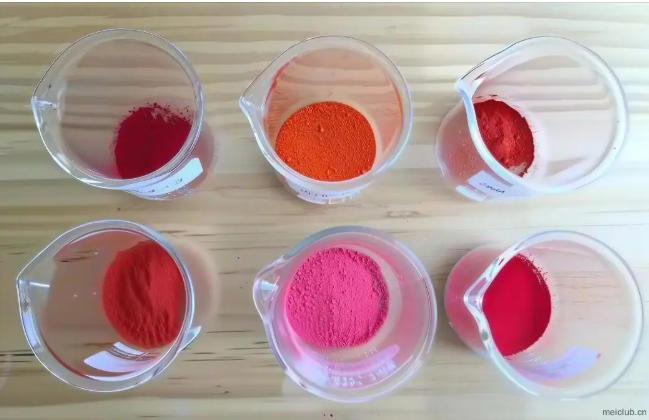
Formulas aren't Nan Ge's area of expertise, so I won't go into too much detail here. Nan Ge previously wrote an article on the reasons why lipsticks break on his WeChat official account, "Bao Yan Tang - Nan Ge," which interested readers can read.
Filling Process: The Trio of Temperature, Time, and Shearing
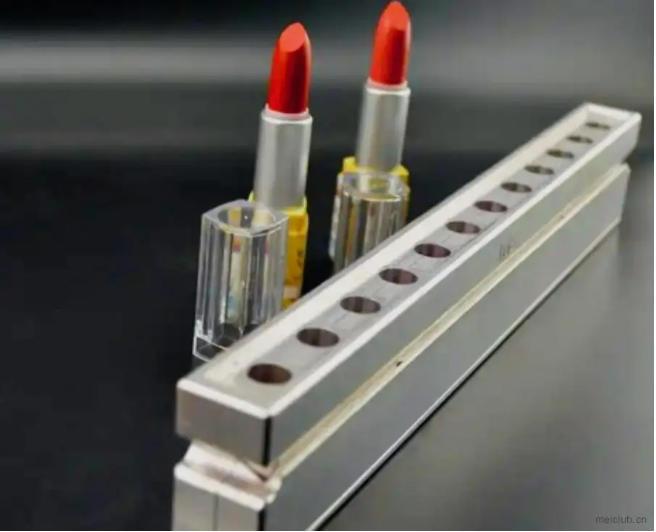
Nan previously worked at a leading manufacturer, where he was in charge of the filling department, so he has some knowledge of filling processes.
1. Constant Temperature Filling
A temperature fluctuation of ±2℃ during filling can cause differences in hardness within the same batch. Using a constant temperature hopper and adding a filter screen at the outlet can significantly reduce hardness fluctuations.
2. Freezing Curve
Rapidly cooling the filling mold at a low temperature, then demolding and returning it to 25℃ for 30 minutes before demolding again, forms a dense protective layer on the paste surface, which is expected to increase the drop height by approximately 15-20cm.
3. Gate Location
Bottom center gate vs. side wall gate: The former reduces the bottom shrinkage cavity volume by 60%, and the root breakage rate decreases from 2% to 0.3%.
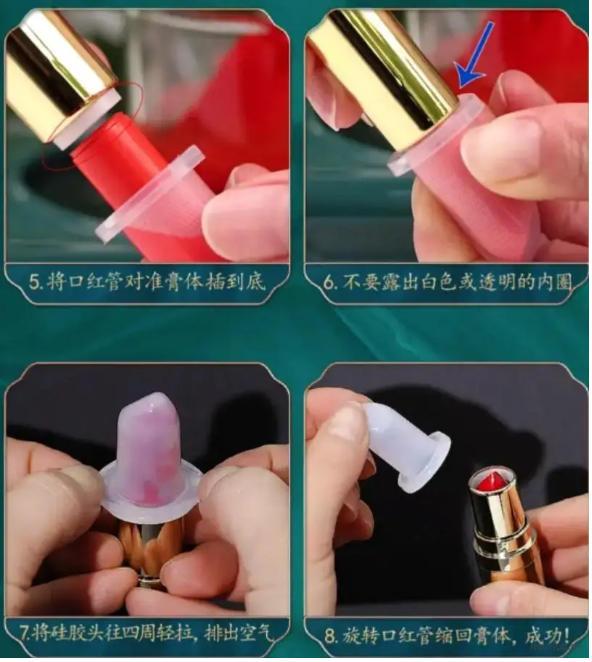
Packaging Material Fit: Not Just "It Can Rotate," But "It Holds Firmly"
1. Inner Cup (Bead) Clamping Force
Use multi-ribbed inner cups (beads) to control the clamping force. It shouldn't be too loose or too tight. Too loose, and it will slip off; too tight, and it will "break" the paste.
2. Coaxiality/Perpendicularity
The cup opening and the rotating mechanism must be coaxial. Even a slight misalignment will cause the paste edge to scrape against the wall → micro-cracks → breakage upon drop. If possible, add online visual inspection.
3. Bottom Gap
The gap between the bottom of the paste and the bottom of the cup should be as small as possible. A large gap will cause the bottom to shrink and crack first during cooling, resulting in poor venting and a "hollow" defect. This is also related to the bottom vent holes of the packaging material beads. Thermal expansion and contraction of the paste will form concave holes; it's best to perform secondary heating and replenishment.
Storage & Transportation & Usage Scenarios: High Temperatures, Rough Delivery, and the "1 cm Curse"
1. Simulated 50℃ Vehicle Testing
Place the finished product in a 45-50℃ oven for 6 hours to check if the paste melts or adheres to the sides. If so, optimize the formula, implement stepped cooling, and optimize packaging materials.
2. Simulated Directional Drop Testing
Drop the product 30-50cm downwards to verify the effectiveness of the beads' grippers in holding the paste. Then perform surface and corner drops with the packaging box included. A breakage rate of ≤1% is considered acceptable.
3. Consumer "1 cm Rule"
Some consumers often forget to fully screw the lid back on, or close it with only a small portion exposed. When the paste is screwed out more than 1 cm, the torque is amplified by approximately 2-3 times. Improving packaging printing warnings and educating customers on social media can reduce customer complaints about breakage.
Laboratory Rapid Screening: Fracture Visibility During R&D
1. Three-Point Bending Test
Span 25 mm, compression speed 5 mm/min; bending strength ≥ 2.5 MPa, elongation at break ≥ 6% – basically safe.
2. Low-Temperature Impact Test
-5℃ for 4 hours → impact with a 50 g steel ball at 15 cm depth; no cracks indicate pass; can simulate a winter delivery scenario in northern China.
3. Polarized Stress Meter
Bottom bright stripes > 3 indicate internal stress concentration, requiring reheating or adjustment of the cooling rate.
This isn't some kind of mystical phenomenon; it's science!
Lipstick breakage is never just "bad luck," but rather the result of a cross-disciplinary, cross-departmental FMEA (Factors, Factors, and Equipment) process:
– R&D incorporates wax-to-oil ratios and elastomers into the formula;
– Processing incorporates constant-temperature filling and stepped cooling into the SOP (Standard Operating Procedure);
– Packaging development incorporates packaging material functionality and ellipticity into the packaging SPEC (Specifications, Specifications, and Evaluation);
– Quality control ensures thorough 50°C vehicle-mounted and drop tests;
– Marketing turns "spinning out 1 cm" into a social media meme.
When each step is moved forward, and testing is conducted earlier, the breakage rate can decrease from 5% to 0.5% to 0.05%, until users no longer even think about "broken lipstick." Of course, this might just be a wishful thinking on my part, haha~
May there be no more "heartbreak" in the world, and may every lipstick be used up gently.
Okay, that's all for today. Stay tuned for the next installment. See you next time!
Author:
Fang Nan, General Manager of Bao Yantang
